🔎 Our guides prioritize official information, in-game terminology and reliable reference material. Sources and verification details are being added page by page. Please let us know about version differences or unverified conditions. Editorial policy (Japanese)
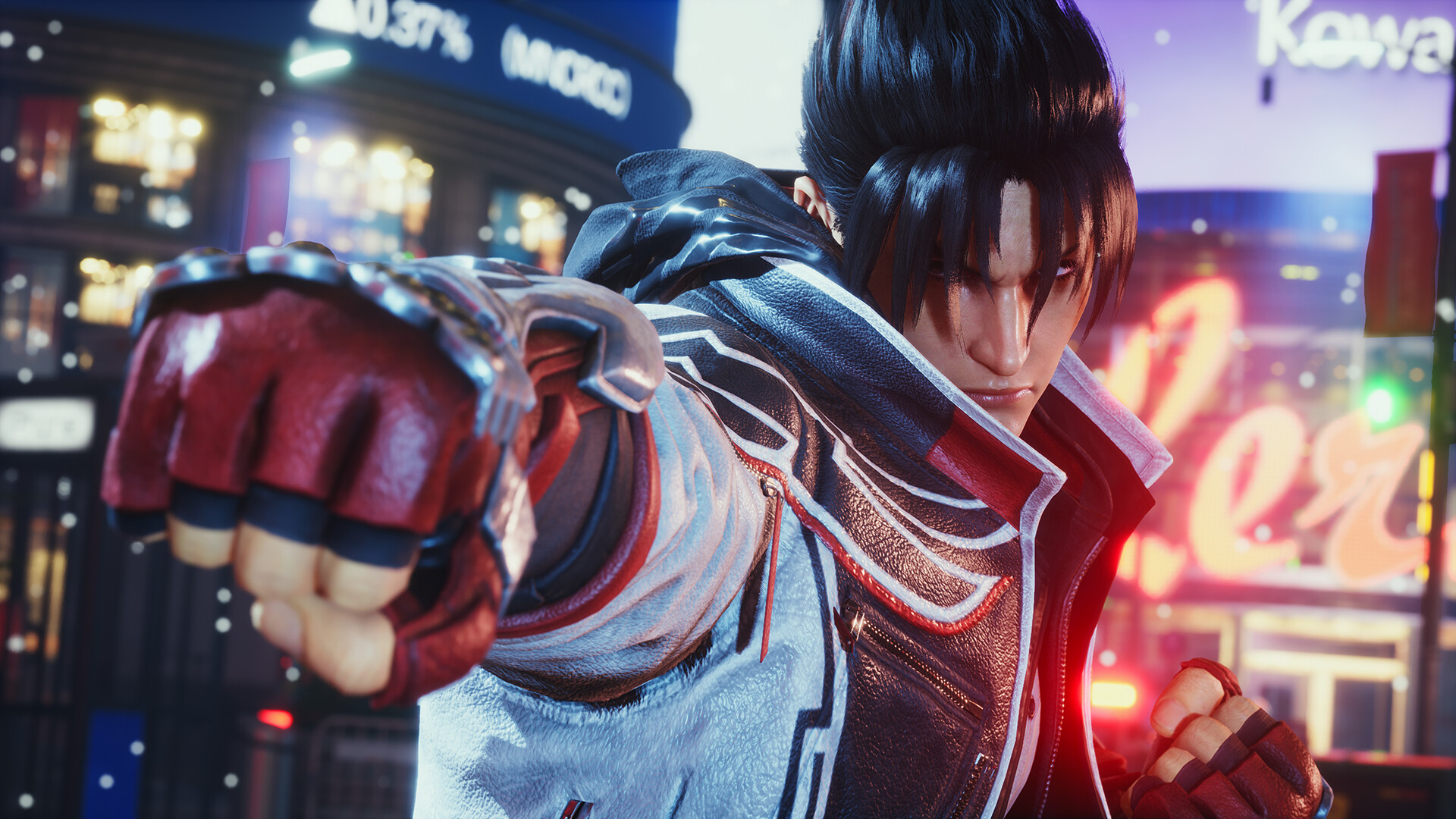
A 3D fighting game featuring 32 or more characters, the Heat system, detailed visuals, a story centered on Jin Kazama's confrontation with his father Kazuya Mishima, and Arcade Quest. Assisted controls offer an entry point while frame data supports detailed study. The Japanese guide records a historical Metacritic score of 90 for PS5; it is not a live score.
「A 3D fighter whose Heat system adds decisions about pressure, resource use and offensive recovery.」 — IGN / GameSpot
🔥 What defines TEKKEN 8?
🔥 Heat and offensive decisions
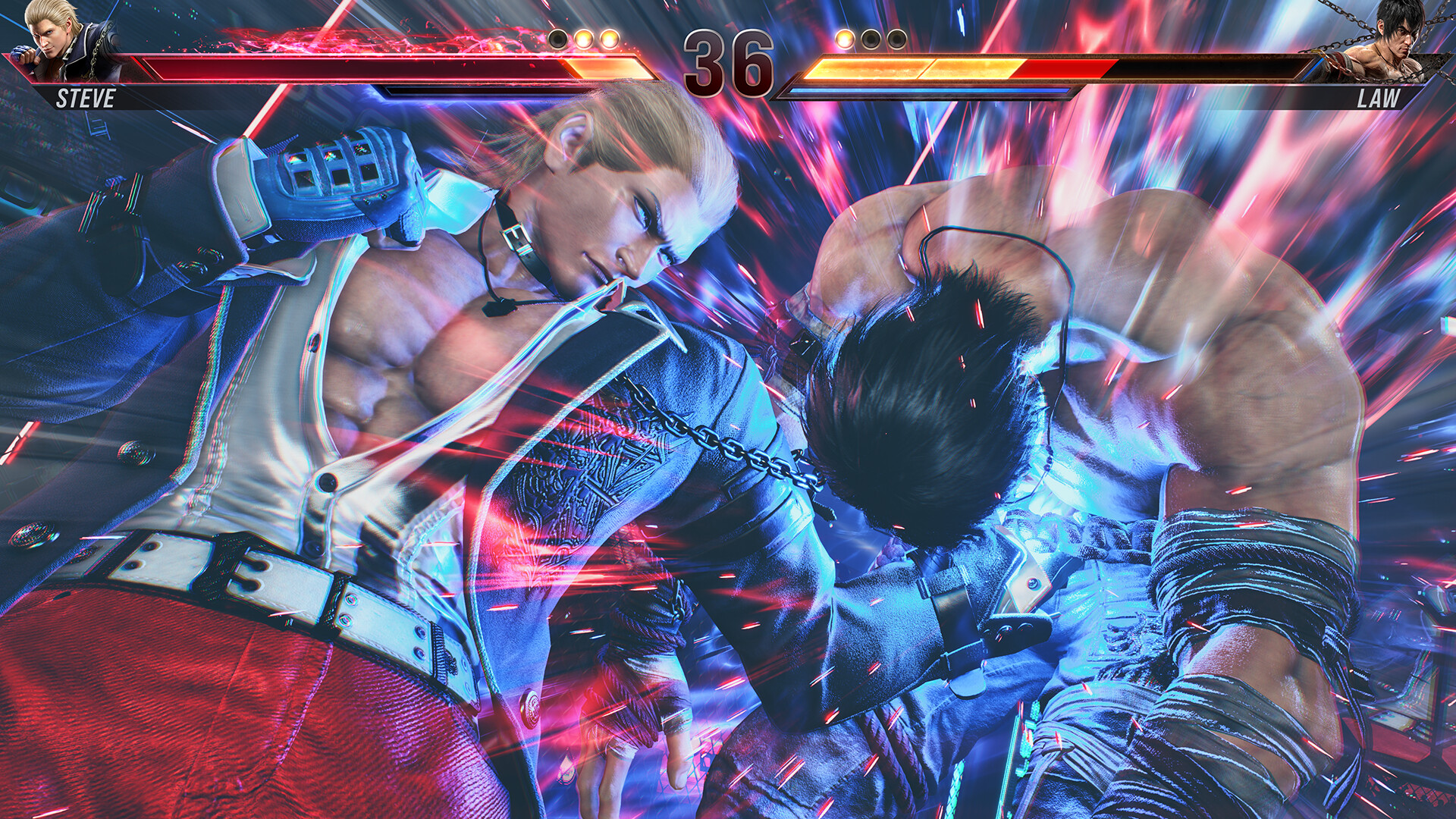
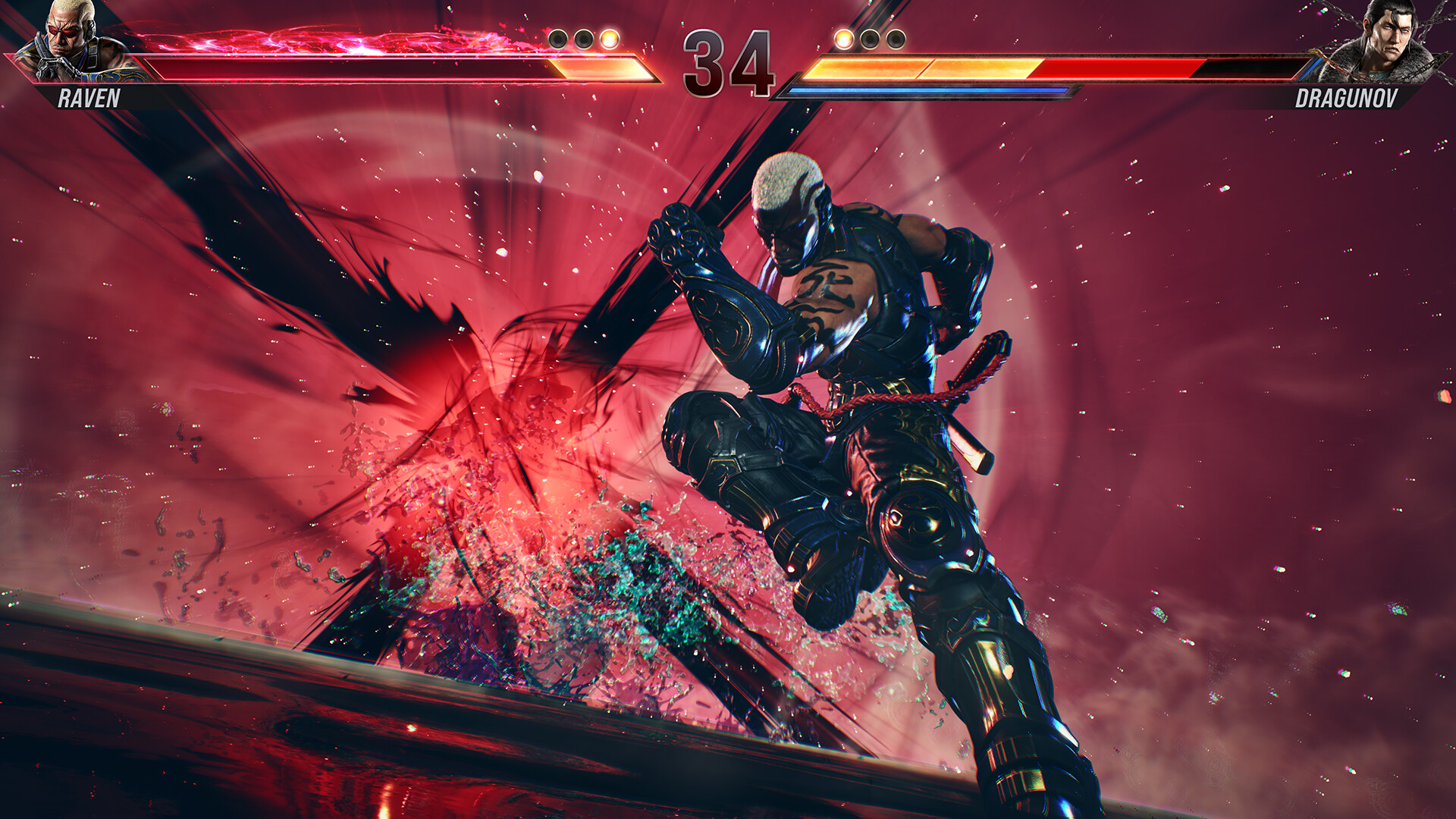
Available once per round, Heat enhances selected move properties and unlocks specific actions. Recoverable health is restored through hits or forced blocks, and through a successful Heat Engager. It adds resource decisions to offensive and defensive exchanges.
👊 32 or more fighters
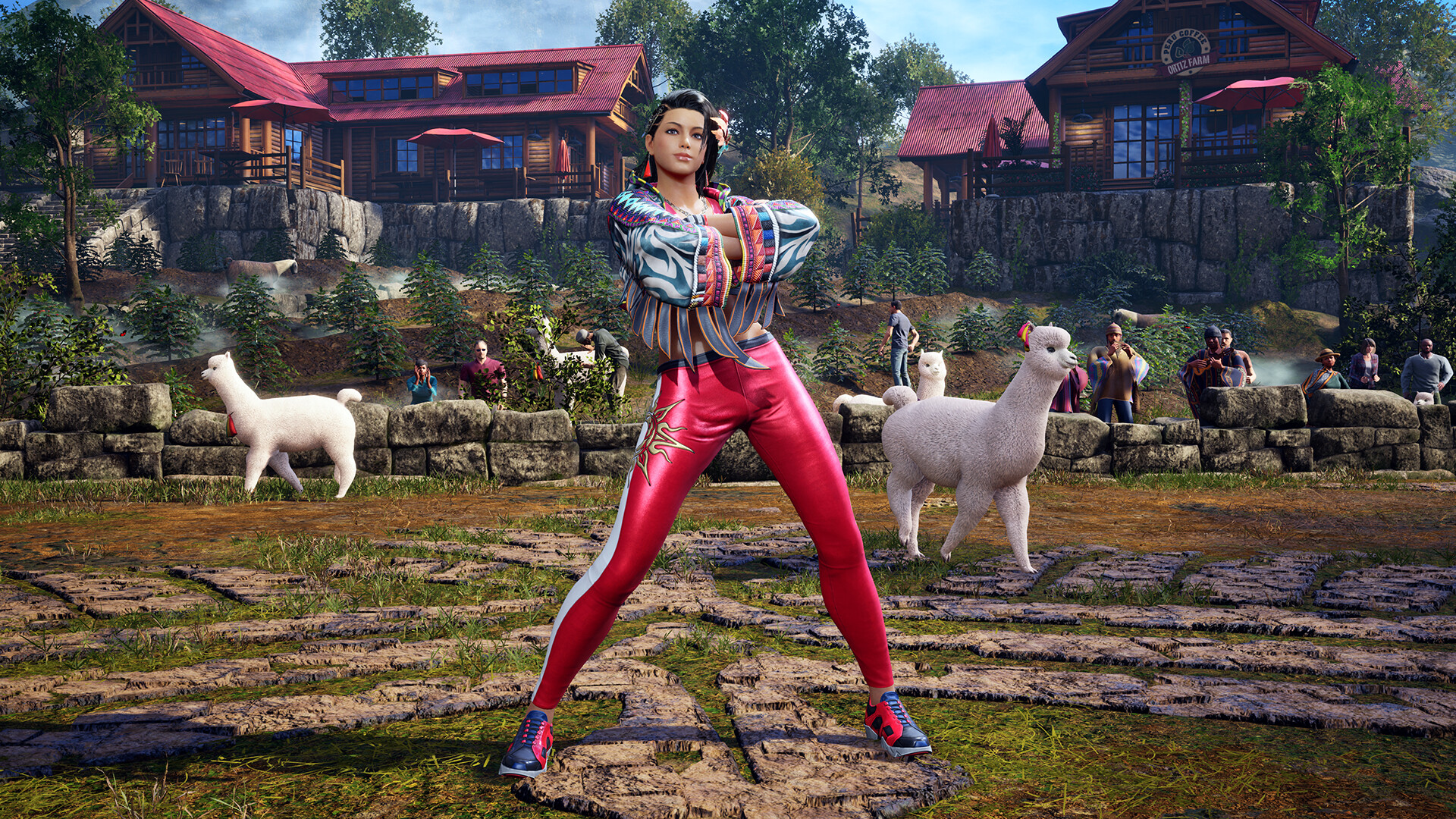
The base roster is expanded by separately sold DLC. The cast supports different learning demands and play styles, including returning fighters such as Eddy Gordo.
📖 Story and Arcade Quest
A cinematic confrontation between Jin Kazama and his father Kazuya Mishima sits alongside Arcade Quest, a structured introduction to fighting-game skills.
🎮 Tools for learning
Special Style, introductory learning tools and frame information support different levels of experience, from a first match to more detailed practice.
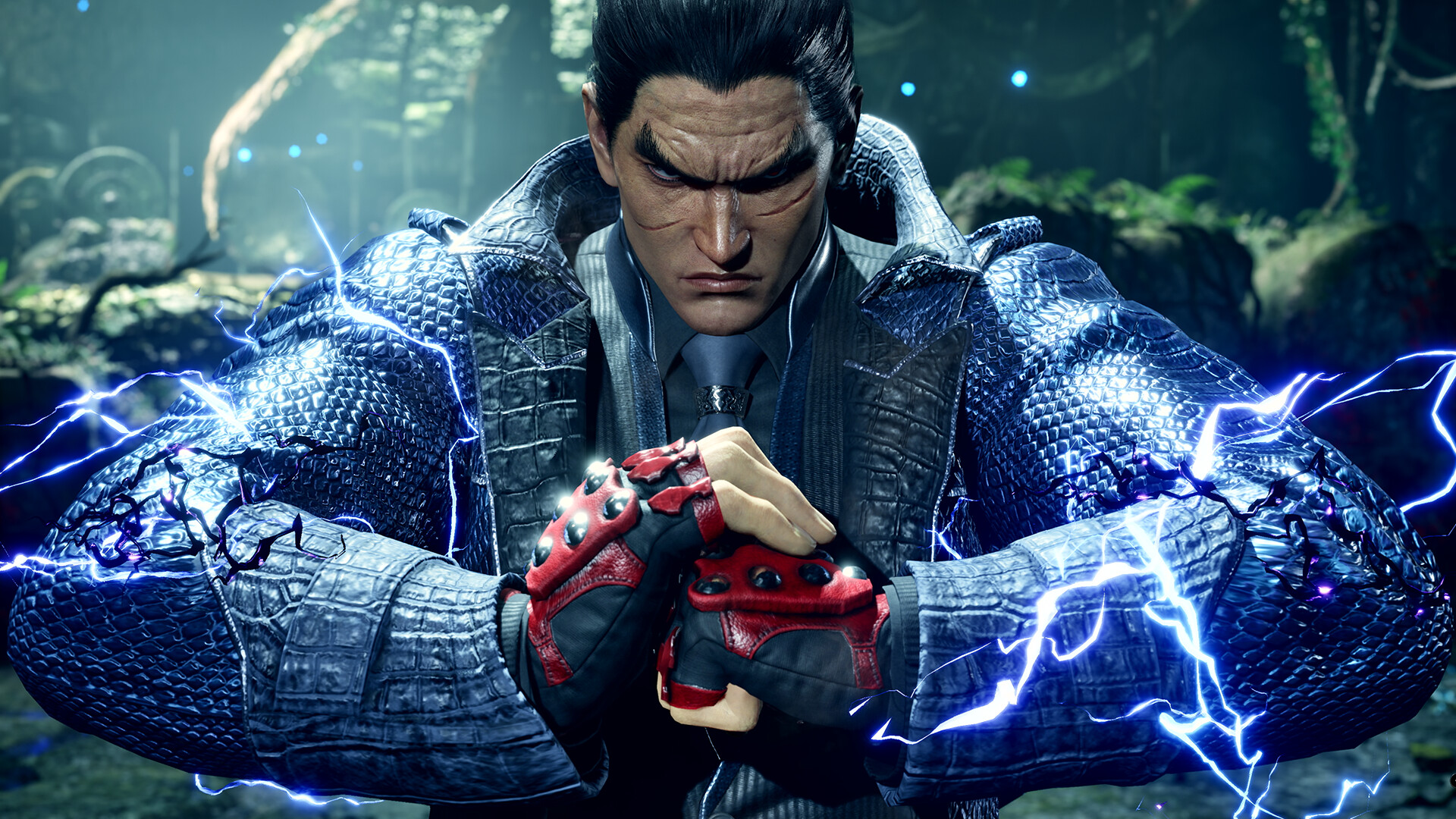
Kazuya seeks control on a global scale through G Corporation, while Jin confronts his father and his own destiny. Their conflict provides the main story's central thread.
A global conflict
Cinematic scenes and battles present the cast's motivations and history. Individual Character Episodes provide separate or alternative character-focused narratives.
Arcade Quest
Create an avatar and progress through arcade-based encounters. Its structured lessons introduce TEKKEN's practical decisions, making it a useful starting mode for beginners.
📚 Sources and references
This guide draws on these source categories; historical assessments and precise patch-specific values retain their stated verification limits.
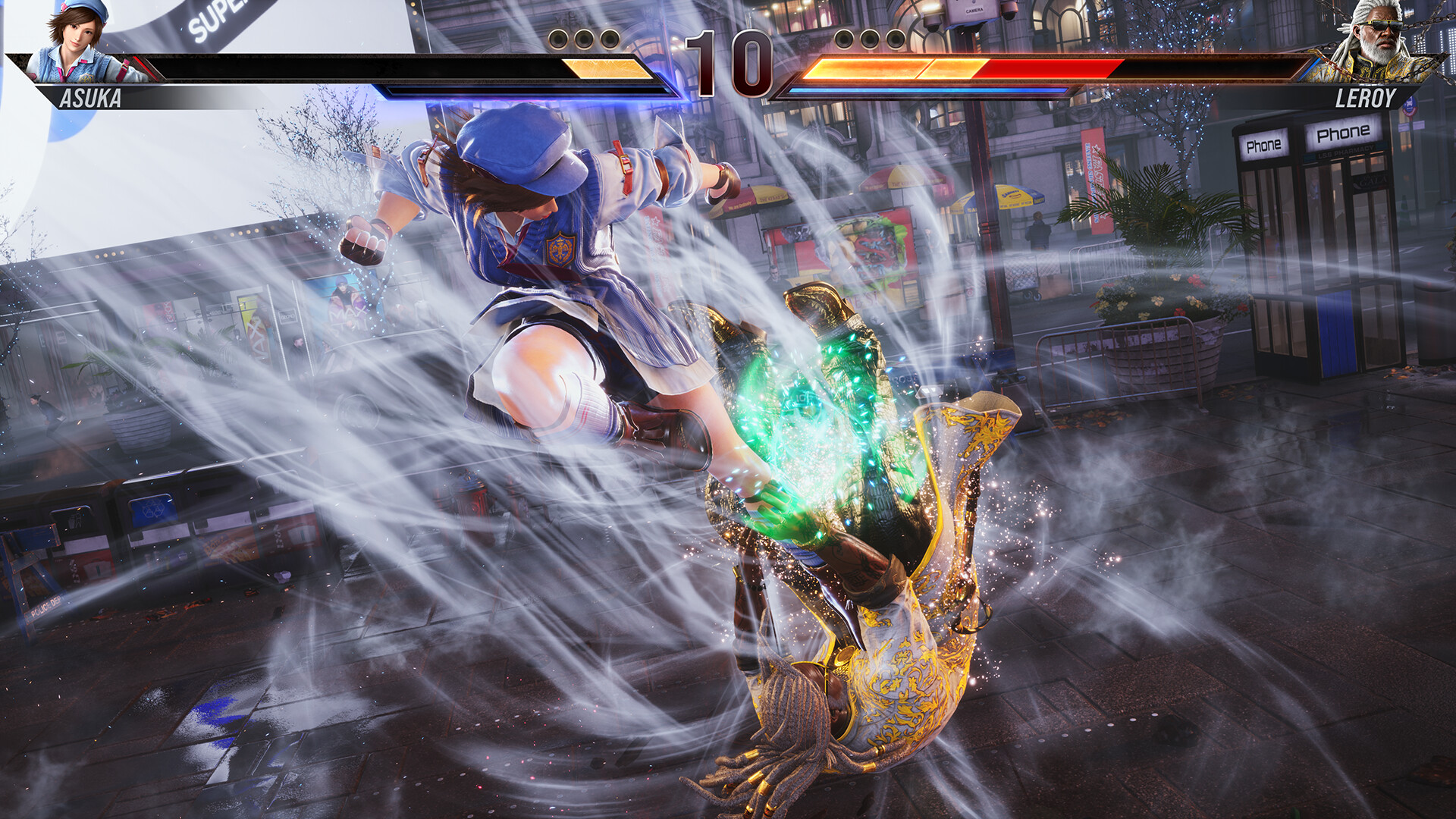
Possible learning choices include Paul Phoenix, Leroy Smith, Asuka Kazama and Shaheen as starting points. Paul offers relatively direct inputs and powerful single attacks such as Death Fist. Leroy has an approachable basic plan. Asuka's reversals suit a defensive preference. Jack-8 is another option for reach and strong individual attacks. These are editorial learning suggestions, not a measured beginner win-rate ranking.
Q2 How does the Heat system work?▼
A
Heat can be activated once per round. Heat Burst uses R1/RB or your assigned Heat button; a qualifying Heat Engager also activates Heat when it hits. The official introduction lists 10 seconds for Burst and 15 for Engager. Heat Smash and Heat Dash consume the remaining state. Recoverable health returns through hitting the opponent or forcing a block, and a successful Engager restores a substantial amount; it is not passive healing while waiting. Check current patch differences for individual moves.
Q3 Which characters are strongest?▼
A
The editorial tier labels here place Kazuya Mishima, Jin Kazama, Reina and Devil Jin in S tier. This is an undated assessment, not a verified ranking of the current patch. Balance changes affect tiers, and input demands matter as much as a label for a new player. Pick someone you enjoy learning and consult current patch information when comparing competitive strength.
Q4 What is Special Style?▼
A
Special Style assigns recommended attacks and combinations to simpler button inputs. The official controls introduction uses L1 to switch between it and Arcade Style. Check your controller settings if you use another platform or changed assignments. It lets newcomers start playing, helps players try unfamiliar fighters, and can also be used online.
Q5 How can I improve in Ranked Match?▼
A
Focus on (1) learning one character, (2) practicing combinations and punishment in Practice, and (3) watching your replays to identify recurring losses. Understanding the decisions behind an exchange matters more than memorizing a long move list. Ask how you could answer the opponent's attacks. Gradually learning frame data also strengthens defense. Treat losses as material for your next practice session.
Q6 Can I enjoy it without previous fighting-game experience?▼
A
Yes. Special Style, interactive learning tools and Arcade Quest provide several entry points. Story and arcade content let you play alone before facing other players. When you feel ready, try Ranked Match. Starting with a character you like is a more sustainable goal than trying to learn the entire roster immediately.
Q7 Which characters were added in Seasons 2 and 3?▼
A
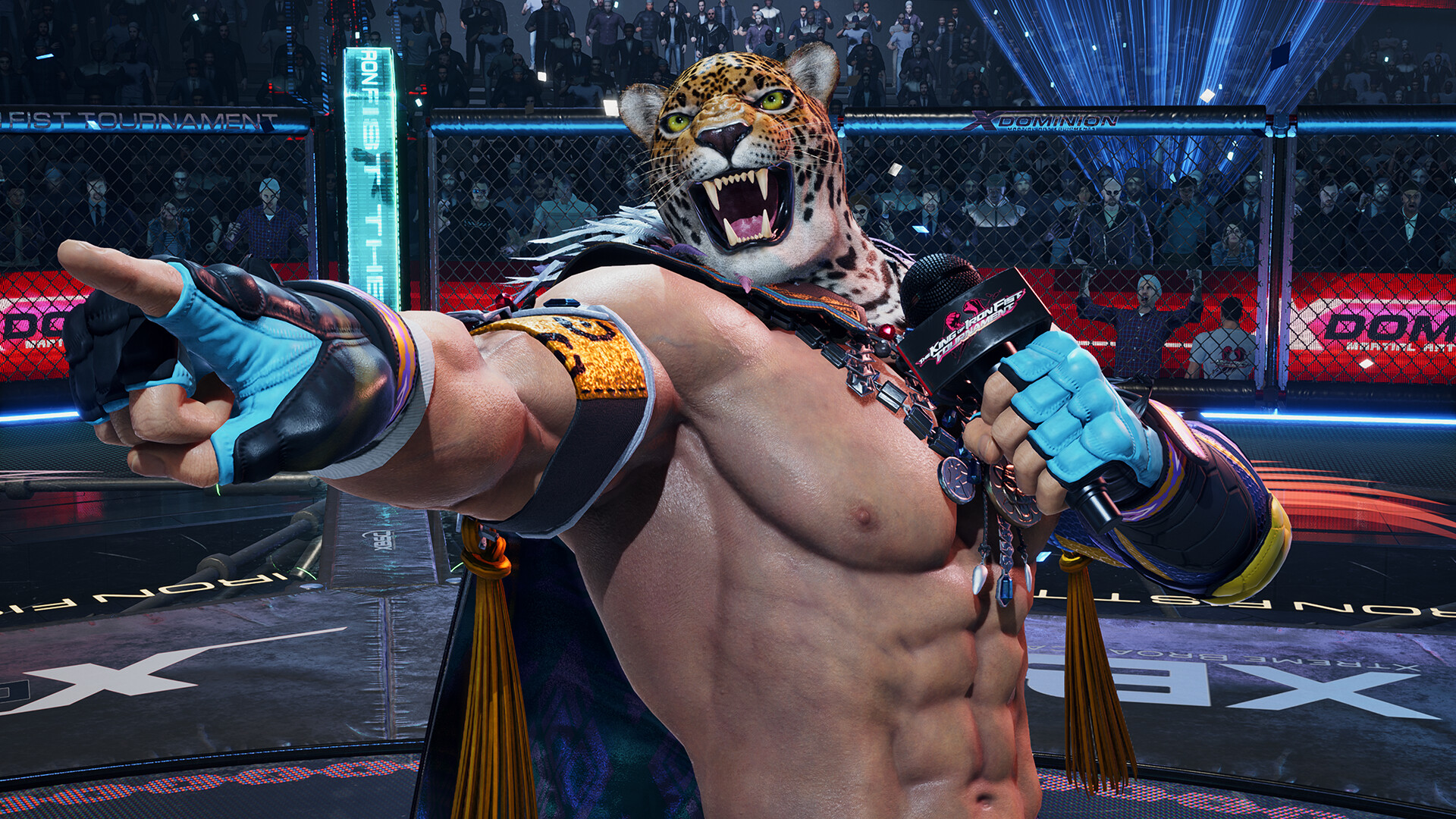
Season 2 additions include Anna Williams, Armor King and Miary Zo, with a 40-character roster at the end of that season. Season 3 introduced Kunimitsu, followed by Bob; official announcements now list Roger Jr. and Yujiro Hanma as later additions. Availability, early-access dates, character-pass contents, balance changes and rank resets must be checked against the relevant official release information when checking current availability.
Advertising disclosure: This page includes affiliate links and Google ads. We may earn a commission on purchases through these links. Commissions do not affect our editorial opinions.